


US Downtown Conversion Projects Gain Investor Attention in 2026
Meta Description: US downtown conversion projects are attracting global investors in 2026. Discover why historic redevelopment investments like Jefferson Arms Residence are gaining momentum.
Urban real estate in the United States is entering a new phase in 2026. While traditional suburban developments continue to attract buyers, a growing segment of investors is turning their attention toward historic downtown conversion projects. These redevelopment initiatives are reshaping city centers and creating new opportunities for both domestic and international investors.
Across multiple states, former hotels, office buildings, and historic structures are being repositioned into modern residential communities. This adaptive reuse model has become one of the most discussed trends in US real estate investment circles.
Why Downtown Conversions Are Becoming a Global Investment Trend
Downtown conversion projects combine architectural heritage with modern living standards. Investors are increasingly drawn to properties located in central business districts due to their proximity to employment hubs, universities, transportation networks, and lifestyle amenities.
Unlike new construction developments on the outskirts of cities, downtown redevelopment projects often benefit from established infrastructure and long-term urban revitalization plans. This combination can create strong rental demand and long-term positioning advantages.
Additionally, many cities are offering incentives or regulatory flexibility to encourage the transformation of underutilized buildings into residential properties. This has accelerated redevelopment activity across key metropolitan areas.
St. Louis Emerging as a Redevelopment Market
Among the cities gaining attention is St. Louis, Missouri. The city’s downtown district has seen renewed investment interest as developers reposition historic buildings into residential and mixed-use projects.

St. Louis offers relatively accessible entry pricing compared to larger metropolitan markets, while still providing urban density and rental demand. This balance has placed the city on the radar of investors seeking value-driven opportunities.
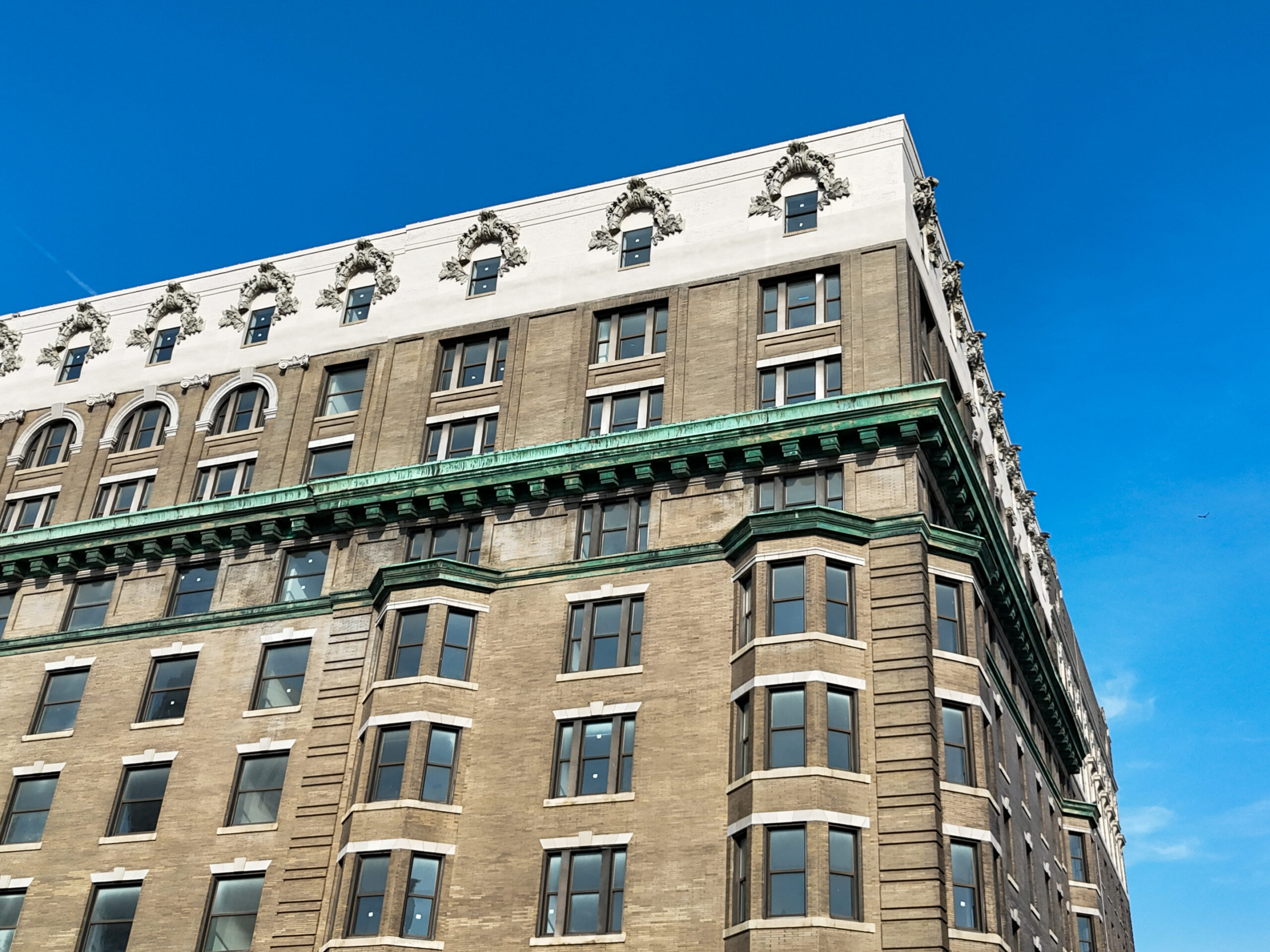
One example frequently referenced in discussions around historic redevelopment is the Jefferson Arms Residence, a downtown conversion project transforming a historic building into modern residential units. The project reflects the broader trend of adaptive reuse strategies gaining momentum in secondary US cities.
Historic Redevelopment and Rental Demand
Urban renters are increasingly attracted to properties that offer character, location, and walkability. Historic conversion projects often meet these criteria while incorporating updated amenities and management structures.
From an investment standpoint, rental demand in city centers tends to be supported by young professionals, medical and academic institutions, and remote workers seeking urban environments. These demographic trends continue to support the downtown redevelopment model.
In markets like St. Louis, downtown repositioning efforts are closely tied to broader revitalization initiatives, including commercial activity and lifestyle infrastructure upgrades.
Dollar-Based Income and International Investor Interest
For international investors, US real estate remains attractive due to dollar-denominated income potential and transparent legal frameworks. Rental income collected in USD provides currency diversification benefits for investors based outside the United States.
Projects positioned within established downtown corridors may offer a structured entry point for investors evaluating long-term US exposure. While each investment requires careful due diligence, the macro trend of urban redevelopment remains a key theme in 2026.
Investors exploring downtown conversion opportunities often analyze project management structure, rental absorption potential, and city-specific economic drivers before making decisions.
The Broader Impact of Adaptive Reuse in 2026
Beyond financial returns, adaptive reuse projects are reshaping the identity of American city centers. Instead of demolishing aging buildings, developers are integrating historic architecture into modern housing supply solutions.
This model aligns with sustainability trends and urban planning priorities. As more cities encourage residential density in downtown districts, the role of redevelopment projects is expected to expand further.
Market analysts anticipate continued investor interest in secondary cities where pricing remains comparatively accessible and revitalization programs are active.
Conclusion
Downtown conversion projects have moved from niche strategy to mainstream investment theme in 2026. Cities like St. Louis are demonstrating how historic redevelopment can attract both local and international attention.
As adaptive reuse continues to gain momentum, projects such as Jefferson Arms Residence illustrate how heritage properties can be repositioned to meet modern housing demand.
For investors evaluating US real estate trends, urban redevelopment remains a segment worth monitoring as cities evolve and downtown districts regain economic energy.